The goal of a light and sound therapy guide should not be to promise a quick fix. It should help you identify what feels off – a nervous system that will not settle, sore muscles that linger, skin that needs support, or a mind that feels crowded – and choose a gentle next step. Light- and sound-based wellness therapies can create a dedicated pause from constant stimulation while supporting the body’s natural recovery processes.
For people balancing work, family, training, and a full inbox, that pause matters. The right session can be a practical part of caring for your energy, comfort, and confidence without medication, needles, or downtime.
Start with what is bothering you most
Light and sound therapies are not one single treatment. Different tools are designed for different goals, and the best choice depends on whether your primary concern is emotional regulation, sleep, physical recovery, localized discomfort, or skin health.
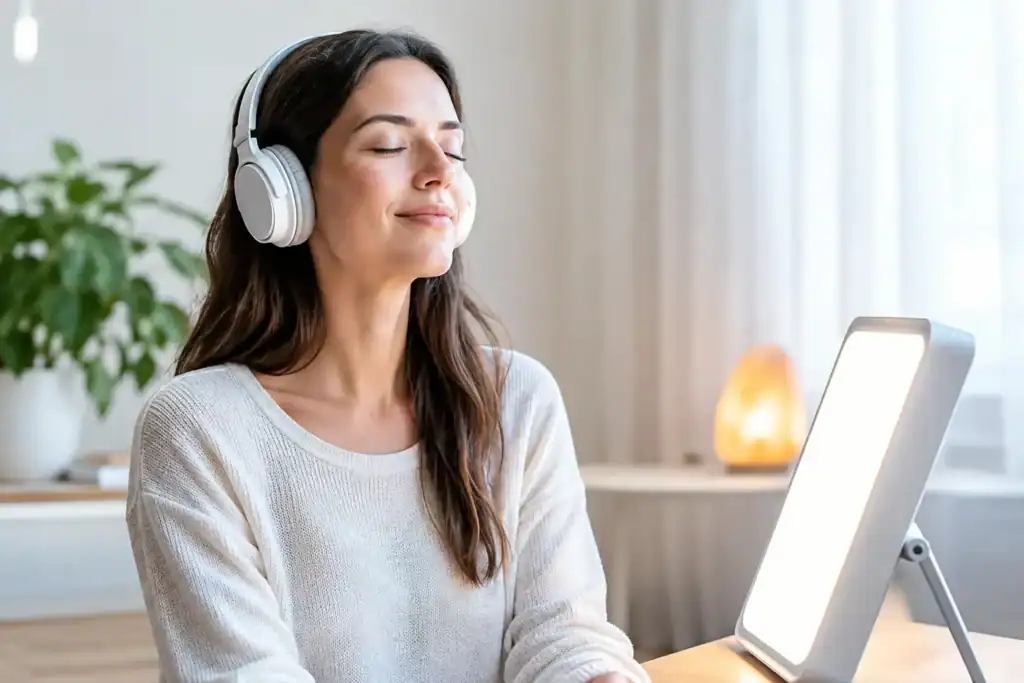
If stress is taking over your life, you may be looking for a quieter internal state rather than more advice about productivity. An immersive light-and-sound session can offer a low-demand setting where rhythmic audio and visual stimulation help you step away from external noise. Many people use these sessions as part of a wind-down routine, particularly when racing thoughts, mental fatigue, or overstimulation make it hard to rest.
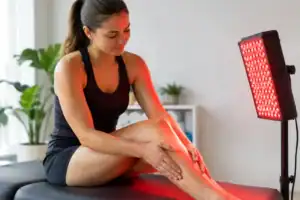
That nagging pain just will not go away? Targeted red and near-infrared light therapy may be a better fit when the concern is concentrated in one area, such as a joint, muscle, scar, or irritated skin. Full-body red light paired with a PEMF mat may suit people who want broader support after training, during a period of physical strain, or when their whole body feels depleted.
For acne, uneven tone, visible signs of aging, or scars, treatment planning should be more specific. Light can be used to support skin-focused goals, but the wavelength, placement, consistency, and your skin’s underlying condition all matter. A thoughtful provider will ask what you are noticing, what you have already tried, and whether any medications or medical conditions could affect treatment suitability.
How light therapy supports recovery and skin health
Red light and near-infrared light are commonly used in noninvasive wellness settings because they deliver specific wavelengths of light to the body. Red light is generally used closer to the skin’s surface, while near-infrared light reaches deeper tissue. These therapies are often chosen to support circulation, cellular energy processes, recovery, and the body’s response to everyday inflammation.
That does not mean every concern responds in the same way. A person with post-workout soreness may notice a different kind of benefit than someone managing chronic joint stiffness or working on the appearance of an old scar. Results can also depend on the severity and cause of the concern, the number of sessions, and the rest of your routine, including sleep, movement, hydration, and medical care when needed.
For active adults, red light therapy can be an appealing recovery tool because it is easy to fit around a workout and does not require recovery time of its own. For people who are less focused on fitness, the appeal may be simpler: moving more comfortably through the day, supporting tired muscles, or giving skin a consistent, gentle form of care.
PEMF, short for pulsed electromagnetic field therapy, is sometimes paired with full-body red light to support relaxation and physical recovery. The experience is typically passive. You lie down, rest, and let the session create space for your body to settle. It is not a replacement for diagnosis or treatment of an injury, but it can be a useful wellness complement for people who want medication-free support.
What sound and visual sessions are really for
A light-and-sound experience works differently from red light treatment. Instead of targeting a sore shoulder or skin concern, it focuses on the conditions that help your mind and body downshift. You may sit or recline with headphones and closed-eye visual stimulation while sound and light patterns create an immersive sensory experience.
Some people describe feeling deeply calm afterward. Others feel clearer, lighter, or better able to concentrate. The effect is personal, and your first session may simply help you learn how your system responds. If you are used to pushing through stress, stillness can feel unfamiliar at first. That is not a sign you are doing it wrong.
Sound-based support can also extend beyond an in-person session. Frequency music tracks may be useful during a bedtime routine, a focused work block, or a quiet moment after a demanding day. Think of them as a supportive environment, not a cure for insomnia, anxiety, or pain. The best track is the one you can use consistently and comfortably, at a volume that feels soothing rather than stimulating.
A practical light and sound therapy guide for choosing a session
Start by choosing one main outcome for the next few weeks. Trying to solve stress, sleep, pain, recovery, and skin concerns all at once can make it difficult to notice what is helping. A clear intention gives you and your provider a better way to select a service and assess your experience.
Choose an immersive light-and-sound session when your main goal is to quiet the noise. It may be especially appealing if you feel mentally wired, emotionally drained, unfocused, or unable to shift out of work mode. If you cannot make it in person, a remote session or guided audio option may help you keep the practice realistic.
Choose full-body red light, with or without PEMF, when recovery feels like a whole-body issue. This can make sense after demanding workouts, periods of poor sleep, long hours at a desk, or weeks when you feel generally run down.
Choose targeted red or near-infrared light when the concern has a clear location or skin-related goal. A knee, shoulder, lower back, acne-prone area, or scar may benefit from more focused attention than a full-body session provides.
Consistency is usually more useful than intensity. One relaxing session can feel wonderful, but an ongoing plan is more likely to show whether a therapy belongs in your routine. Ask about a reasonable trial period, then pay attention to everyday markers: Are you falling asleep more easily? Is your post-exercise soreness easing sooner? Do you feel less reactive at the end of the day? Is the treated area becoming more comfortable or looking healthier over time?
Know when to pause and ask questions
Noninvasive does not mean appropriate for every person in every circumstance. Tell your provider about pregnancy, implanted electronic devices, a history of seizures or light-triggered sensitivity, active cancer treatment, eye conditions, recent procedures, and medications that can increase sensitivity to light. If you have persistent, severe, unexplained, or worsening pain, a nonhealing wound, or a significant skin change, seek medical evaluation rather than relying on a wellness session alone.
It is also fair to ask direct questions before booking. What is this session intended to support? What will it feel like? How long does it take? How many sessions are commonly recommended for a goal like mine? A credible wellness provider will welcome those questions and avoid guaranteeing a particular outcome.
At Into The Blu, the treatment path begins with the concern you want to address, whether that is stress, recovery, discomfort, or skin confidence. A first session can be a simple way to notice what feels supportive before building a larger routine.
You do not have to wait until burnout, pain, or poor sleep becomes your normal. Choose one concern, make room for a calmer experiment, and give your body a chance to respond.