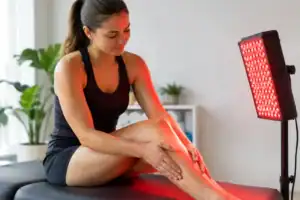
That sore shoulder you keep working around. The breakout that lingers long after you have changed your routine. The post-workout heaviness that makes stairs feel like a negotiation. Red light sessions offer a noninvasive way to support the body and skin when you want to feel more comfortable, recovered, and like yourself again.
The appeal is simple: you lie back or sit comfortably while clinically supported red and near-infrared wavelengths are delivered to the body or a specific area of concern. There are no needles, no downtime, and no need to put your life on hold. But the best results come from matching the type of session, treatment area, and schedule to what is actually bothering you.
What Happens During Red Light Sessions?
Red light therapy, also called photobiomodulation, uses specific wavelengths of visible red and near-infrared light. These wavelengths are used in wellness and recovery settings because they can reach the skin and underlying tissues differently. Red light is commonly chosen for more surface-level skin goals, while near-infrared light is often used when the focus is deeper tissue, joints, muscles, or recovery.
A full-body appointment typically has you relax in front of or beneath a light system for a set amount of time. Some sessions also pair the light with a PEMF mat, which uses gentle pulsed electromagnetic fields as an added relaxation and recovery modality. For a localized concern, the provider positions a targeted light panel or device close to the area being treated.
Most people describe the experience as quiet and warm rather than intense. You may notice a gentle sense of heat, but a quality session should not feel painful or leave you burned. Protective eyewear may be provided depending on the equipment and treatment protocol. Afterward, you can return to work, errands, a workout, or your normal routine without a recovery period.
Which Concerns Can Red Light Sessions Support?
Light therapy is not a replacement for medical care, diagnosis, or treatment. Persistent pain, a concerning wound, sudden skin changes, or symptoms that affect daily function deserve a conversation with a qualified healthcare professional.
For everyday wellness goals, red light sessions may be a supportive addition to a broader care routine. People often book them for concerns such as:
- Muscle soreness, stiffness, and post-exercise recovery
- Joint discomfort and localized inflammation
- Acne-prone skin, uneven tone, and signs of skin aging
- The appearance of scars and support for skin recovery
- General fatigue, physical tension, and a need to slow down
The right application depends on the goal. Someone managing tight quads after training may benefit from a full-body recovery-focused session. Someone bothered by a stubborn breakout, an old scar, or discomfort in one knee may be better served by targeted red and near-infrared treatment.
That distinction matters. More light is not automatically better, and a full-body session is not always the most efficient option for a small, specific concern. A good provider helps you start with the area, symptom, and outcome that matter most to you.
Full-Body or Targeted Treatment?
Full-body red light sessions make sense when your goals are broad. Maybe your whole body feels run down after a demanding week, you are recovering from consistent training, or you want to make light therapy part of your general skin and wellness routine. The experience gives you dedicated time to be still while treating a larger surface area.
Targeted sessions are more focused. They can be a practical choice when one concern is getting in the way of your comfort or confidence: a sore wrist from computer work, a tender knee after activity, acne around the jawline, or a visible scar you would like to address. The treatment can be directed where you need it most instead of taking a one-size-fits-all approach.
If you are unsure, begin with the question behind the appointment: What would feeling better look like this week? Less soreness after your run? Calmer-looking skin before an event? Easier movement getting out of the car? Your answer gives the session a useful purpose and makes it easier to track whether the approach is helping.
How Often Should You Book?
Consistency usually matters more than a single long session. The body and skin often need repeated exposure over time, particularly when the concern has been present for months or years. Some people notice a shift in how they feel after the first few visits, especially when tension or post-workout soreness is the main issue. Skin changes and longer-standing discomfort may take more patience.
Your ideal frequency depends on the treatment area, device, session length, your health history, and the goal you are working toward. A provider may suggest beginning with a short series of sessions, then adjusting based on your response. Once you have reached a point where you feel good, occasional maintenance sessions may fit better than frequent appointments.
Try not to judge the value of the experience only by an immediate dramatic change. Keep an eye on practical markers: how your joints feel in the morning, how quickly you bounce back after exercise, whether your skin feels less reactive, or whether you are moving through your day with less hesitation. Small improvements are still meaningful when they help you show up more comfortably in your own life.
Make Each Session Work Harder for You
Red light therapy is easiest to integrate when you treat it as part of a realistic routine, not another item on an impossible wellness checklist. Arrive with clean, product-free skin on the treatment area when possible. Heavy makeup, sunscreen, or topical products can create an unnecessary barrier, especially for facial treatments.
Hydration, regular movement, enough protein, sleep, and any care plan recommended by your healthcare provider still matter. Red light therapy can complement those basics, but it cannot outwork chronic overtraining, an untreated injury, or a sleep schedule that leaves you depleted every night.
It also helps to be specific about topicals and medications. Tell your provider if you use prescription skin treatments, photosensitizing medications, or products that make your skin unusually sensitive. If you are pregnant, managing cancer treatment, have a condition affected by light exposure, or have concerns about your eyes, ask a healthcare professional and the treatment provider before booking.
What Red Light Therapy Cannot Promise
Wellness is personal, and response varies. Some people experience noticeable support for recovery or skin goals; others need a different approach, more time, or medical assessment. Be cautious of anyone who promises to cure disease, erase pain permanently, or transform your skin overnight.
The better question is whether red light therapy is an appropriate, low-pressure tool for your current goal. It may be especially appealing if you want a medication-free way to support recovery, ease into a calmer routine, or give your skin consistent attention without invasive procedures. At Into The Blu, the focus is on choosing a session that fits the concern you are bringing in, rather than asking one treatment to solve everything.
You do not have to wait until stress, discomfort, or low confidence becomes your normal. Choose one thing you would like to feel differently, give it consistent care, and let that quiet act of restoration become part of your week.