That lingering shoulder ache, post-workout heaviness, or tired-looking skin can make even a good day feel harder than it should. When comparing red light therapy versus PEMF, the most useful question is not which treatment is “better.” It is which one matches what your body and your day are asking for right now.
Both are noninvasive, medication-free wellness options that can fit into a busy routine. Yet they work through different pathways. Red and near-infrared light are often chosen for skin concerns, localized discomfort, and physical recovery. PEMF, short for pulsed electromagnetic field therapy, is commonly used to support relaxation, circulation, muscle recovery, and whole-body comfort.
Understanding the difference can help you choose a session with more confidence – and feel less like you are guessing.
Red light therapy versus PEMF: the core difference
Red light therapy uses specific wavelengths of red and near-infrared light. These wavelengths are designed to reach the skin and underlying tissues, where they may support cellular energy production and the body’s natural recovery processes. You do not feel the light working, although many people find the warmth and quiet time restorative.
PEMF uses low-frequency pulsed electromagnetic fields. During a session, you typically rest on a mat while gentle electromagnetic pulses move through the body. The experience is comfortable and quiet. Some people notice a soft pulsing sensation, while others simply relax deeply enough to take a much-needed break from constant stimulation.
In simple terms, red light therapy is often more targeted toward skin and tissue goals, while PEMF is often selected for whole-body recovery and nervous-system support. There is overlap, especially for soreness and discomfort, which is why pairing them can make sense for many people.
Choose red light therapy when your concern is more targeted
If you can point to the area that is bothering you, red or near-infrared light may be a strong place to start. Targeted sessions can be used around concerns such as an irritated joint, a stubborn muscle, a visible scar, acne-prone skin, or an area that feels slow to recover.
Red light is also a natural fit when your goal is appearance-related. People often seek it to support clearer-looking skin, a more even tone, and a brighter, healthier-looking complexion. Near-infrared light is not visible to the eye in the same way, but it is commonly included when deeper tissue support is the goal.
Skin goals: acne, tone, and visible signs of aging
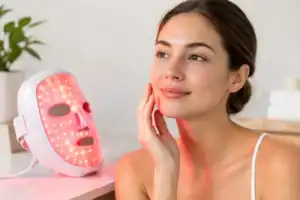
For skin concerns, the specific wavelength and treatment area matter. Red light is often used to support skin calmness and collagen-related processes, while certain light protocols may be selected for acne-prone skin. Results tend to be gradual rather than dramatic overnight. Consistency, a sensible skincare routine, and realistic expectations matter.
If you are dealing with active acne, persistent redness, or a scar that makes you feel self-conscious, a targeted approach can feel more personal than a generic wellness treatment. The goal is not to promise perfect skin. It is to give your skin supportive conditions and time to respond.
Localized pain, tightness, and recovery
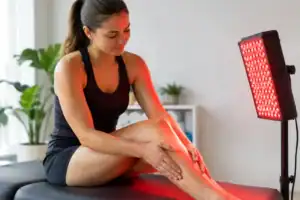
A sore knee after a long walk, stiff hands after computer work, or a tender area following a demanding workout may benefit from localized red and near-infrared light. Many active adults choose light therapy as part of their recovery routine because it is easy to fit in without adding strain to the body.
That said, red light therapy is not a replacement for medical assessment. Sudden severe pain, unexplained swelling, numbness, signs of infection, or a recent significant injury should be evaluated by an appropriate health professional first.
Choose PEMF when your body feels worn down everywhere
Some days, there is no single trouble spot. You just feel depleted. Your muscles are tight, your mind will not slow down, and sleep has not left you feeling restored. This is where PEMF may feel especially supportive.
A PEMF session is usually experienced as rest. You lie back, breathe, and let the external demands drop away for a while. Many clients choose it after intense exercise, periods of high stress, travel, poor sleep, or long stretches spent sitting at a desk.
Stress and nervous-system reset
When your nervous system has been running on high alert, you may notice it in ways that seem unrelated: shallow sleep, jaw tension, low patience, mental fog, and a body that never quite unclenches. PEMF is not a cure for anxiety or a substitute for mental health care, but the quiet, low-effort nature of a session can support a calming routine.
For people who are always caring for someone, managing deadlines, or moving from one task to the next, resting on a PEMF mat can provide something rare: protected time with nothing to perform. That pause matters.
Full-body recovery and daily comfort
PEMF is often chosen when soreness is widespread rather than isolated. Perhaps you trained hard all week, spent a weekend gardening, or have been holding stress in your shoulders, hips, and lower back. A whole-body session may complement hydration, mobility work, sleep, and other recovery habits.
Response varies from person to person. Some feel lighter or more relaxed after one session. Others notice the clearest change after making sessions part of a consistent wellness rhythm. Neither response is wrong. Your baseline stress, activity level, sleep, and underlying health all shape the experience.
Why combine red light therapy and PEMF?
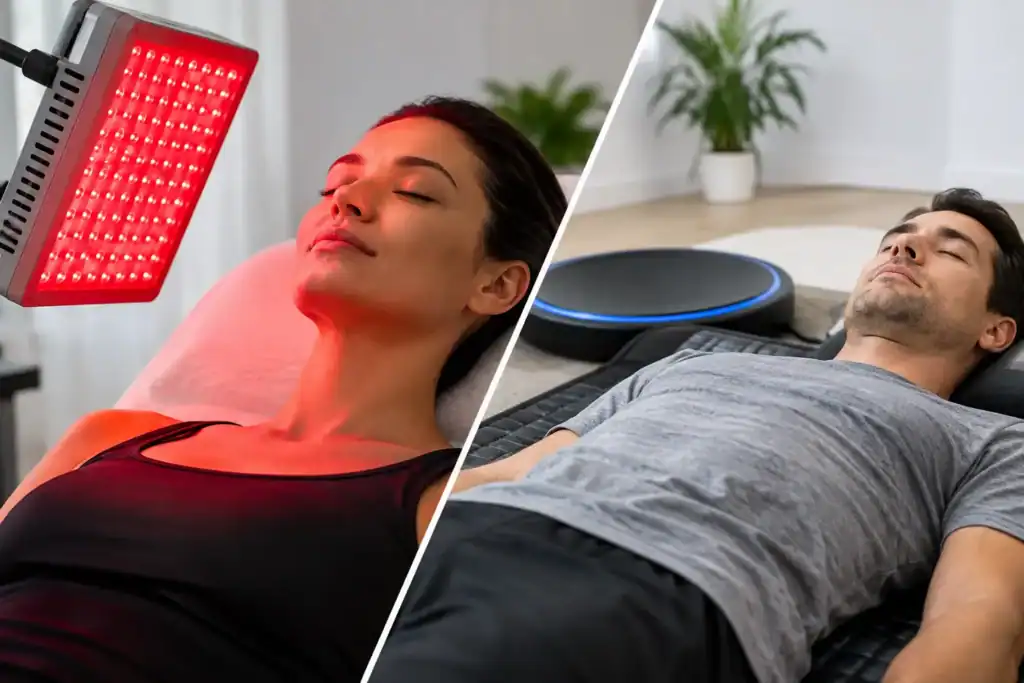
You do not always have to choose. A full-body red light session paired with a PEMF mat gives you two forms of noninvasive support at once: light exposure for skin and tissue-focused goals, plus a calming whole-body recovery experience.
This combination can be especially appealing if you are balancing more than one concern. Maybe you want to support post-workout soreness while also caring for aging skin. Maybe your lower back feels tight, but you also know stress is affecting your sleep. Or maybe you simply want a regular reset that helps you step away from the noise and feel more like yourself again.
At Into The Blu, red light therapy and PEMF can be paired in a full-body session for people who want that layered approach. It is a practical option when time is limited and your wellness goals are not confined to one part of the body.
What a session feels like
Neither treatment should feel invasive or demanding. With red light therapy, you relax in front of or beneath specialized light panels. Protective eyewear may be used depending on the device and treatment protocol. With PEMF, you rest comfortably on a mat while the field runs through the programmed session.
You may leave feeling relaxed, warm, or pleasantly tired. Some people feel refreshed and energized instead. Drink water, listen to your body, and avoid treating a wellness session like a reason to push through pain or skip needed medical care.
Before booking, share relevant health information. PEMF may not be appropriate for everyone, including people with certain implanted electronic medical devices or specific health conditions. Pregnancy, active cancer treatment, photosensitivity, and medications that affect light sensitivity are also reasons to speak with a qualified provider before light-based therapy.
How to decide what to book
Start with the concern that is taking up the most space in your day. If it is a visible skin issue, a scar, acne, or a specific painful area, targeted red or near-infrared light may be the clearer match. If you feel generally tense, fatigued, sore, or overstimulated, PEMF may offer the more restorative starting point.
If both descriptions sound familiar, a combined session may be worth considering. There is no prize for choosing the most intensive option. The best choice is the one you can approach comfortably and repeat consistently when it is helping.
Your body does not need to earn rest by reaching a breaking point. Whether you choose light, PEMF, or both, let the session be a small, intentional way to quiet the noise, support recovery, and make room for feeling better in your own skin.