That heavy, tender feeling after a tough workout, a long day on your feet, or a weekend of doing more than usual can make even simple movement feel like work. Understanding how red light reduces soreness can help you decide whether it belongs in your recovery routine – especially when you want natural, noninvasive support that does not ask you to push through discomfort.
Red light therapy, also called photobiomodulation, uses specific red and near-infrared wavelengths to support the body’s recovery processes. It is not a shortcut around rest, hydration, nutrition, or appropriate training. But for many active adults, it can be a calming, practical addition to the things that already help the body reset.
How Red Light Reduces Soreness in the Body
Soreness often shows up after unfamiliar, intense, or prolonged activity. Muscles may have been challenged by strength training, hiking, cycling, physical work, or even hours spent in one position. Delayed-onset muscle soreness, commonly called DOMS, typically develops several hours after activity and can peak one to three days later.
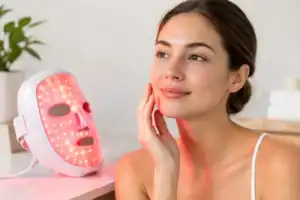
Red and near-infrared light are clinically supported wavelengths used to support cellular function. Unlike ultraviolet light, these wavelengths do not tan or burn the skin. Red light works closer to the skin’s surface, while near-infrared light reaches deeper tissue. When the body absorbs this light, it may support activity within the mitochondria, the parts of cells involved in producing energy.
Why does that matter when you are sore? Recovery is energy-demanding. Your body needs resources to manage the normal inflammatory response to training, repair stressed tissue, and restore comfortable movement. Photobiomodulation may support circulation and cellular signaling during this process, which is why some people report less tenderness, stiffness, and post-activity fatigue with consistent use.
The key word is support. Red light therapy does not erase all soreness, and it should not be used to ignore pain that is telling you to slow down. Its value is often in helping you feel more comfortable as your body does the work of recovering.
What It May Help You Feel
The experience is different from person to person. Someone with mild post-workout tightness may notice that stairs feel easier the next day. Someone managing recurring stiffness after long workdays may feel looser and more comfortable moving through their usual routine. The effect can depend on your activity level, the intensity of your soreness, sleep quality, hydration, stress load, and how regularly you use light therapy.
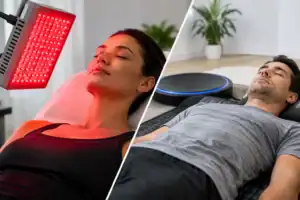
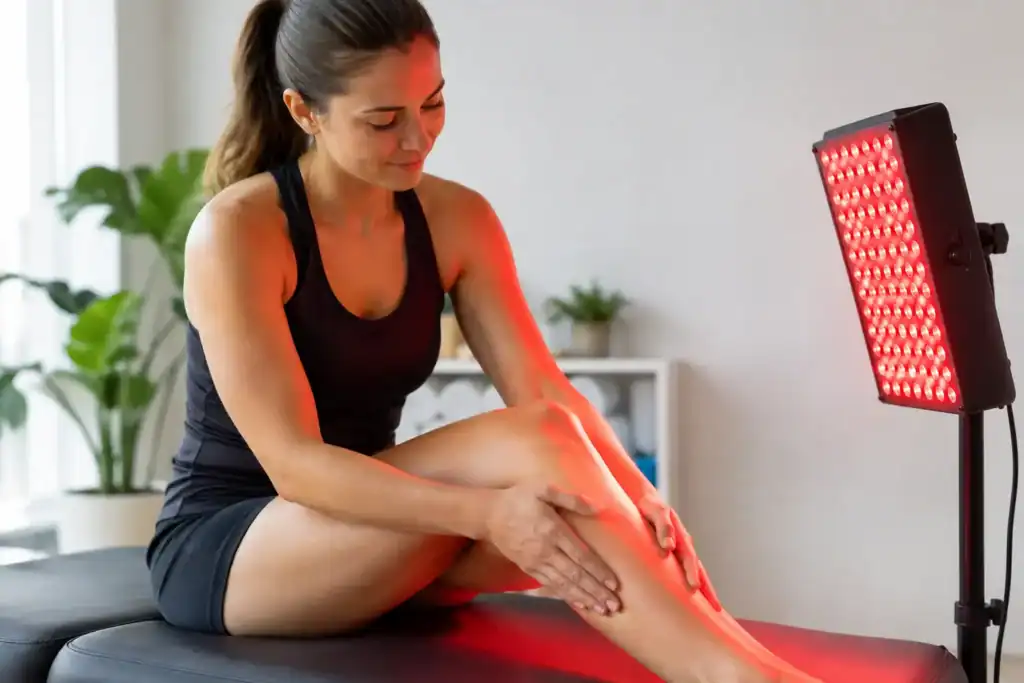
People often seek red light support for concerns such as muscle tenderness after exercise, stiffness in overworked joints, lingering tightness after sitting or standing, and recovery between demanding training sessions. Full-body sessions can make sense when soreness is widespread, while targeted red and near-infrared sessions may be a better fit for one area, such as a shoulder, knee, calf, or lower back.
A session should feel easy. You rest under the light, usually with little to no sensation beyond gentle warmth depending on the device. There is no downtime, no needles, and no need to put your life on hold afterward. Many people use the time as a small reset: step into the light, quiet the noise, and give their body a chance to settle.
Why Timing and Consistency Matter
If you are wondering whether to use red light before or after exercise, the practical answer is that it depends on your goal. Some people use it before activity as part of their warm-up and mobility routine. Others prefer a post-workout session when muscles feel depleted. For soreness support, using it after demanding activity or during the day or two that follows is a common approach.
One session can feel restorative, but recovery patterns are rarely changed by one perfect appointment. Consistent sessions are generally more useful when you are managing regular training demands, chronic tightness, or a physically demanding schedule. A simple routine might include sessions around your hardest workouts or during weeks when your body is carrying more stress than usual.
More is not always better. Light therapy follows a dose-response relationship, meaning the right amount matters. Too little may not deliver a meaningful effect, while more exposure does not automatically create better results. Device quality, wavelength, distance from the light, treatment area, and session length all affect dosing. This is one reason guided sessions can be helpful when you are new to photobiomodulation.
Red Light Therapy Is Not a Reason to Push Through Pain
There is a meaningful difference between ordinary muscle soreness and pain caused by an injury or medical condition. Normal soreness tends to feel diffuse, tender, and symmetrical after activity. It gradually improves with rest and gentle movement. A strain, tendon injury, nerve issue, or joint problem may feel sharper, more localized, unstable, or progressively worse.
Pause and seek medical guidance for severe swelling, bruising, numbness, weakness, loss of range of motion, pain after a fall or impact, chest pain, or symptoms that do not improve. If a body part cannot bear weight, looks visibly deformed, or produces sudden intense pain, do not treat it like routine soreness.
Red light therapy can be part of a thoughtful wellness plan, but it is not a diagnosis or a replacement for medical care. If you are pregnant, managing a health condition, taking medications that increase light sensitivity, or receiving treatment for a serious condition, check with an appropriate healthcare professional before beginning.
Get More From Your Recovery Session
Red light works best alongside the basics that make recovery possible. After a hard workout or physically demanding day, drink enough water, eat meals with adequate protein and carbohydrates, and protect your sleep. Gentle walking, mobility work, and light stretching can also help you reconnect with comfortable movement without asking sore muscles to perform at full intensity.
It also helps to adjust your expectations. If soreness comes from a new lifting program, a long run, or an unusually busy weekend, your body still needs time. The goal is not to numb every signal. The goal is to support recovery so you can move easier, sleep better, and return to the activities you enjoy with more confidence.
At Into The Blu, full-body red light therapy can be paired with a PEMF mat for people seeking a deeper recovery-focused reset. These are separate modalities, and people respond differently to each one, but the combination can feel especially supportive when physical fatigue and nervous-system overload are showing up together.
Is Red Light Right for Your Soreness?
Red light therapy may be worth considering if you are dealing with the familiar ache of training, physical work, or everyday overdoing it and want a medication-free option to complement your recovery habits. It can be especially appealing when you need something that fits into a busy schedule and does not require downtime.
Start with a clear goal. Are you trying to recover more comfortably after workouts? Ease stiffness that builds through the workweek? Support one stubborn area that feels tight after activity? A clear goal makes it easier to choose between a full-body session and targeted treatment, and to notice whether the routine is helping over time.
Your body does not need to earn rest by reaching a breaking point. When soreness is asking for attention, give it a little space, a little care, and the support it needs to find its way back to easier movement.