When stress is running high, your body hurts after every workout, or your skin no longer looks like itself, more effort is not always the answer. Light therapy offers a noninvasive way to support the systems that help you rest, repair, and feel more comfortable in your body. The right approach depends on what is bothering you most, from racing thoughts and low energy to stubborn acne, sore joints, or a scar that needs support.
Not all light treatments do the same job. A session designed to quiet mental noise can feel very different from one focused on muscle recovery or skin clarity. Understanding those differences makes it easier to choose a treatment that fits your goal and your routine.
What Light Therapy Can Support
Light therapy uses specific wavelengths of light to interact with the body in different ways. Some treatments are designed to support emotional regulation and relaxation. Others use red and near-infrared wavelengths to support cellular energy, circulation, recovery, and skin health.
It is not a replacement for medical care, diagnosis, or prescribed treatment. It can, however, be a practical addition to the habits and professional support already helping you care for yourself. Many people choose it because sessions are gentle, require no downtime, and can be built into a busy week.
The question is not simply, “Does light work?” It is, “What do I want support with right now?” That distinction matters.
If stress has taken over your day
A light-and-sound experience may be a better fit when you feel overstimulated, emotionally drained, mentally foggy, or unable to switch off at night. These sessions combine carefully designed light patterns with sound to create a dedicated pause from constant input.
For someone who spends the day responding to messages, managing work pressure, or carrying everyone else’s needs, the benefit may be less about doing more and more about giving the nervous system a chance to settle. You remain awake and in control, but the environment makes it easier to let the outside noise recede.
Some people notice a calmer state after one session. Others find the value in consistency, particularly when stress and poor sleep have become familiar companions. A quieter mind can make room for better rest, clearer thinking, and a more grounded response to daily pressure.
If soreness, stiffness, or inflammation keeps lingering
Red and near-infrared light are often chosen for physical recovery and localized discomfort. Red light reaches more superficial tissue and is commonly used for skin-focused goals. Near-infrared light reaches deeper and may be used to support muscles, joints, and areas affected by overuse.
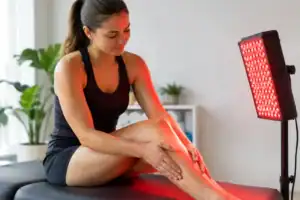
That nagging knee discomfort just will not go away? Are your shoulders tight after long days at a desk? Do your legs still feel heavy two days after training? Targeted sessions can be a useful recovery tool alongside movement, sleep, hydration, and guidance from a qualified health professional when pain is persistent or severe.
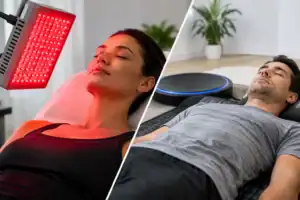
Full-body red light sessions may suit people looking for broad recovery support, especially active adults managing general soreness or fatigue. Some setups also pair red light with a PEMF mat, which uses pulsed electromagnetic fields and may complement a recovery routine. These modalities are not identical, so it helps to ask what each part of the session is intended to address.
If your skin needs a calmer, brighter reset
Skin concerns can feel surprisingly personal. Acne, uneven tone, visible signs of aging, redness, or scars may affect how comfortable you feel walking into a room or looking in the mirror. Light-based treatments offer a medication-free option that can support the appearance and overall condition of the skin over time.
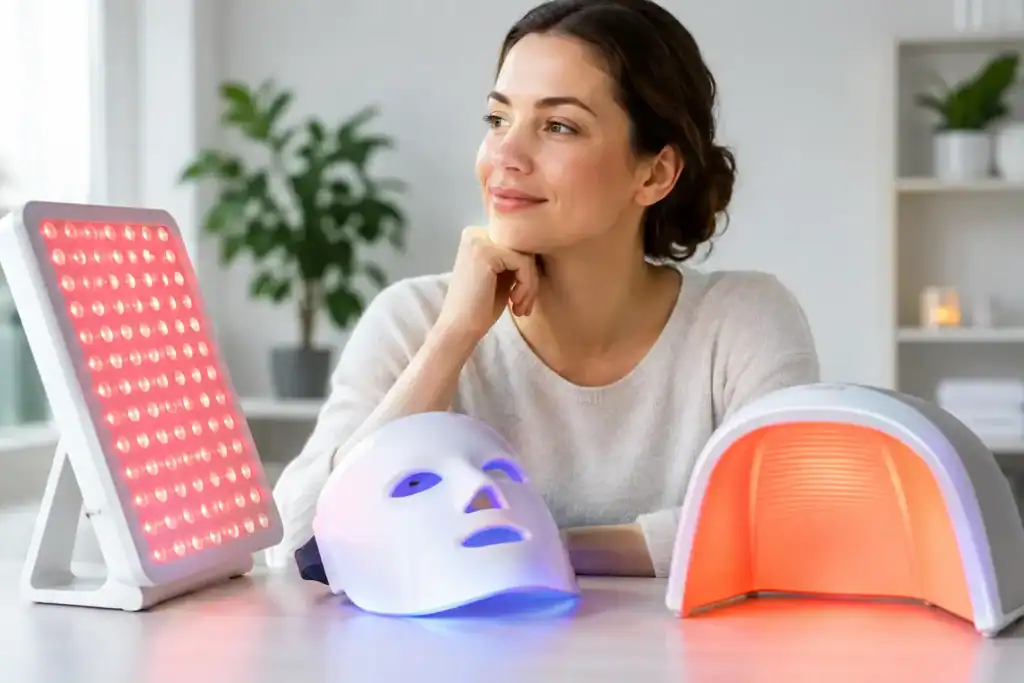
Red light is often used to support collagen-related processes and calm the look of inflammation. Near-infrared light may support deeper tissue recovery. Blue light is commonly used in acne-focused protocols because of its interaction with acne-associated bacteria. The best wavelength, session length, and frequency depend on the concern, skin sensitivity, and any other treatments you use.
Results are usually gradual. Skin renews on its own schedule, which means consistency matters more than chasing a dramatic overnight change. If you are using prescription skin care, have a history of photosensitivity, or are managing an active skin condition, check with your dermatologist or health care provider before beginning treatment.
Choosing the Right Light Therapy Path
A good session starts with a clear goal rather than a generic promise. Think about the concern that would make the biggest difference in your week. Is it falling asleep without replaying the day? Moving more freely after activity? Feeling less self-conscious about a breakout or scar?
A simple way to narrow your options is to match the treatment to the primary concern:
- For mental fatigue, ongoing stress, and difficulty unwinding, consider an immersive light-and-sound session.
- For workout recovery, muscle soreness, joint stiffness, or broader body support, consider full-body red and near-infrared light.
- For a specific painful or inflamed area, a targeted red and near-infrared treatment may be more appropriate.
- For acne, visible scars, uneven-looking skin, or a dull complexion, ask about a skin-focused light protocol.
You do not need to have the perfect answer before your first appointment. A thoughtful provider should ask what you are feeling, what you have already tried, and what would make treatment worthwhile for you. At Into The Blu, that concern-led approach helps people choose support based on real life, not a one-size-fits-all wellness checklist.
What a Session Usually Feels Like
Most people find light treatments easy to fit into the day. You may lie down or sit comfortably while the device delivers the selected wavelengths for a set period. Red and near-infrared treatments generally create a gentle warmth, though they should not feel painful. Light-and-sound sessions are often experienced as deeply restful, with many people describing a sense of mental spaciousness afterward.
There is typically no recovery period. You can return to work, errands, training, or home afterward. That said, the way you feel can guide your schedule. If a calming session leaves you relaxed and sleepy, booking it near the end of the day may make more sense. If you use red light for workout support, a session after training may feel like the natural fit.
Wear comfortable clothing when appropriate, follow the provider’s guidance on eye protection, and arrive hydrated. For skin-focused sessions, ask whether you should come with clean skin and without certain topical products. Small preparation details can help make the session more comfortable and appropriate for your goal.
How Often Should You Go?
Frequency depends on the treatment, the concern, and how your body responds. One session can be a valuable reset, especially when life feels loud and relentless. More often, meaningful changes are supported by a series of sessions over several weeks, followed by maintenance visits if they continue to serve you.
Think of light therapy like a supportive practice rather than a quick fix. A person with acute post-workout soreness may book around a demanding training block. Someone working on skin texture or recurring stress may choose a regular rhythm. There is no prize for doing the most. The better plan is the one you can sustain and evaluate honestly.
Keep track of what changes between sessions. Notice your sleep quality, morning stiffness, energy, mood, skin comfort, and how easily you recover after activity. These everyday markers are often more useful than searching for one dramatic moment.
When to Pause and Ask a Professional
Light-based treatments are generally noninvasive, but “natural” does not mean right for every situation. Ask your health care provider before starting if you have a condition involving light sensitivity, take medications that increase photosensitivity, are receiving treatment for cancer, have a seizure disorder triggered by light, or are pregnant and unsure which modalities are appropriate.
Seek medical assessment for new, severe, unexplained, or worsening pain; wounds that are not healing; or skin changes that concern you. Light therapy can support wellbeing, but it should never delay necessary care.
You do not have to wait until depletion becomes your normal. Start with the concern you can feel most clearly, give yourself permission to try a gentle form of support, and notice what changes when your body gets a little more space to recover.