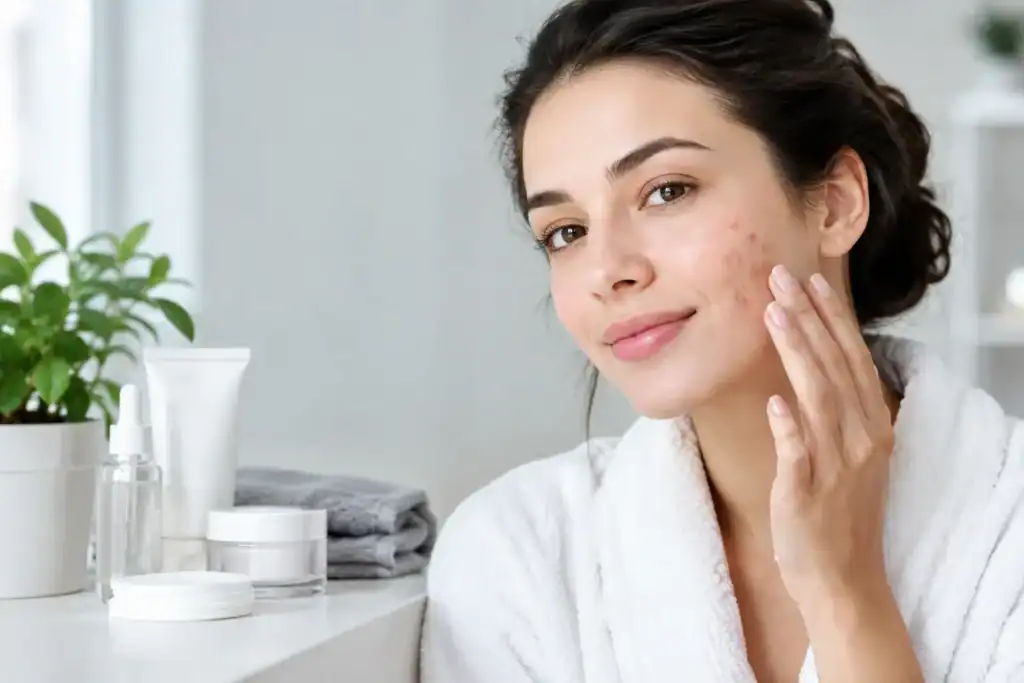
A breakout can feel louder than it looks. You may catch it in every mirror, hesitate before a photo, or feel frustrated after buying another product that promises a quick fix. The best noninvasive acne treatment options do not rely on one dramatic appointment. They pair the right acne-fighting approach with steady care that calms inflammation, protects the skin barrier, and fits real life.
Acne is not a sign that you are doing something wrong. It is a skin condition shaped by oil production, clogged pores, inflammation, bacteria, hormones, stress, and genetics. The most effective plan depends on the type of breakouts you have, how sensitive your skin is, and whether you are dealing with marks or scars left behind.
What a Noninvasive Acne Plan Should Do
Noninvasive treatments work without needles, surgery, or extended downtime. A good plan should help reduce active breakouts while avoiding the cycle of irritation that can leave skin red, dry, and even more reactive.
For many adults, the goal is not perfectly filtered skin. It is fewer painful flare-ups, less time covering blemishes, and the confidence to leave the house without overthinking your complexion. Results usually build over weeks, not overnight. That slower pace can be a strength because it gives your skin time to respond without being pushed too hard.
Best Noninvasive Acne Treatment Options for Clearer Skin
Consistent acne-focused skincare
A simple home routine is the foundation of nearly every acne treatment plan. If your skin is constantly irritated by harsh scrubs, strong fragranced products, or too many active ingredients at once, professional treatments have less room to help.
For clogged pores and blackheads, salicylic acid can help clear oil and dead skin cells from inside the pore. For inflamed pimples, benzoyl peroxide can reduce acne-causing bacteria, while adapalene, an over-the-counter retinoid, supports cell turnover and helps prevent new clogs. A gentle cleanser, non-comedogenic moisturizer, and daily broad-spectrum sunscreen matter just as much.
Start slowly, especially with retinoids and exfoliating acids. Using every active product at full strength from day one often leads to peeling and burning, not faster clarity. If you have a history of eczema, rosacea, or very sensitive skin, professional guidance is especially worthwhile.
LED light therapy for acne and inflammation
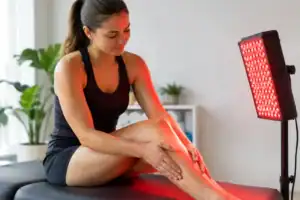
LED light therapy is one of the most appealing noninvasive options for people who want support without medication, injections, or recovery time. It uses specific light wavelengths rather than UV light, so it does not tan the skin or create the damage associated with tanning beds.
Blue light is commonly used in acne care because it can help target Cutibacterium acnes, the bacteria involved in many inflammatory breakouts. Red light may help support a calmer-looking complexion by addressing inflammation and encouraging the skin’s natural recovery processes. Some people benefit most from a combined approach, particularly when breakouts are both active and visibly red.
Light therapy is not a one-session cure. It is typically most useful as a series of treatments and as part of a consistent skincare routine. It can be a thoughtful option for mild to moderate inflammatory acne, for adults who prefer a medication-free complement to their routine, or for anyone wanting support between dermatologist visits.
At Into The Blu, targeted red and near-infrared light treatments are designed around specific concerns, including acne-related inflammation and skin recovery. A treatment plan should always reflect your skin’s current condition, not a generic one-size-fits-all protocol.
Professional chemical peels
A carefully selected chemical peel can help with congestion, uneven texture, dullness, and post-acne discoloration. Superficial peels use acids to encourage the shedding of surface skin cells, which can help keep pores clearer and support a more even appearance over time.
Salicylic acid peels are often considered for oily or acne-prone skin because salicylic acid is oil-soluble. Glycolic, lactic, mandelic, and other acids may be selected depending on sensitivity, pigmentation concerns, and skin tone. The right peel should feel targeted, not punishing.
Peels do have trade-offs. Mild flaking or temporary dryness can happen, and using strong at-home peels incorrectly can cause irritation or dark marks. People prone to hyperpigmentation should work with a qualified provider who understands how to choose a conservative treatment approach and prepare the skin properly.
Gentle professional extractions
When blackheads and whiteheads are a major concern, professional extractions can provide immediate relief from visible congestion. Done correctly, they involve controlled pressure and clean technique, not squeezing at home under harsh bathroom lighting.
Extractions are best for noninflamed clogged pores. They are not the right answer for deep, sore cysts or widespread inflamed acne, where pressure can worsen irritation and increase the risk of scarring. Think of them as a supporting service, not the full treatment plan.
Prescription topical care with a dermatologist
Prescription treatments are still noninvasive, and they can be the most effective next step for persistent or moderate acne. A dermatologist may recommend topical retinoids, azelaic acid, topical antibiotics used appropriately, or other options based on your acne pattern and medical history.
This route can be particularly helpful when acne is hormonal, leaving scars, or not improving after several months of consistent over-the-counter care. The goal is not to choose between natural wellness and medical support. Sometimes the kindest, most practical path is a combination of both.
How to Choose the Right Noninvasive Acne Treatment
Begin with what you see and feel most often. If your skin is mostly bumpy with blackheads and whiteheads, pore-clearing skincare and carefully chosen peels may be useful. If pimples are red, tender, and inflamed, LED light therapy and anti-inflammatory topical care may deserve more attention. If the breakouts are gone but red or brown marks remain, skin recovery, sun protection, and gradual resurfacing strategies can help improve the look of uneven tone.
Your schedule matters too. LED sessions generally involve no downtime, making them easier to fit around work, social plans, and workouts. Peels can require a few days of visible dryness or flaking. Prescription retinoids can be highly effective but may require a gradual adjustment period.
Avoid changing everything at once. If you begin a new cleanser, acid serum, retinoid, peel series, and light treatment in the same week, it becomes almost impossible to know what your skin likes. Add one or two changes, give them time, and take photos in consistent lighting every few weeks. Small improvements are easier to recognize when you are not judging your skin day by day.
What to Expect From Treatment
A realistic acne plan usually needs at least six to twelve weeks of consistency before you can judge its direction. Early improvements may look like fewer painful blemishes, quicker healing, less oiliness, or fewer new breakouts around your usual trouble areas.
There may still be occasional flare-ups around hormonal shifts, high stress, travel, poor sleep, or changes in training and diet. That does not mean your plan has failed. Acne management is often about reducing frequency and intensity while helping the skin recover more comfortably.
Do not pick or pop active blemishes, even when the urge is strong. Picking increases inflammation and can turn a short-lived pimple into a longer-lasting mark. Keep pillowcases, makeup brushes, phones, and anything that touches your face reasonably clean, but do not turn skincare into a stressful cleaning ritual.
When Acne Needs Medical Attention
See a dermatologist promptly if you have painful deep nodules or cysts, acne that is leaving scars, sudden severe breakouts, or acne that is affecting your confidence and mental health. You also need professional advice before using retinoids if you are pregnant, trying to become pregnant, or breastfeeding.
The best treatment is the one you can continue without feeling overwhelmed or uncomfortable in your own skin. Give your complexion a little patience, choose support that feels manageable, and let every small sign of calm be part of your progress.