A breakout can feel bigger than it looks. It may be the sore spot on your chin before a meeting, the acne along your jaw that keeps returning, or the marks that linger long after inflammation settles. Supporting acne healing naturally is not about chasing a perfect routine or blaming yourself for your skin. It is about reducing what keeps skin irritated, giving it consistent care, and choosing support that works with your body.
For many adults, acne is not simply a teenage concern. Stress, hormonal shifts, sweating after workouts, friction from masks or helmets, heavy products, disrupted sleep, and overcorrecting with harsh treatments can all play a role. Your skin may need less force and more restoration.
Why a gentler approach can help acne-prone skin
When acne appears, the instinct is often to dry it out fast. Strong scrubs, frequent exfoliation, picking, and layering multiple active products may seem productive in the moment. Yet an overworked skin barrier can become dry, reactive, and more visibly inflamed. That can make it harder to tell whether a product is helping or simply adding more irritation.
Acne has several drivers, including excess oil, clogged pores, inflammation, bacteria, and hormones. No single natural option addresses every one of them. The most useful approach is usually a steady combination of gentle topical care, supportive daily habits, and, when appropriate, targeted treatments such as light therapy.
“Natural” also does not have to mean unproven. A simple routine, clinically supported light wavelengths, and professional guidance when you need it can be a thoughtful, medication-free starting point. If you are using prescription acne treatment, have painful cysts, or are pregnant, check with a dermatologist or qualified healthcare professional before changing your plan.
Supporting acne healing naturally with daily basics
Start with the habits that make the biggest difference over time. Cleanse gently once or twice a day, and after heavy sweating, using a mild cleanser that does not leave your face feeling tight or squeaky. Pat dry with a clean towel rather than rubbing. If you wear makeup or sunscreen, remove it thoroughly at night without using aggressive scrubbing tools.
Choose a lightweight, non-comedogenic moisturizer even if your skin feels oily. Dehydrated skin can feel uncomfortable and may become more reactive, especially if you use acne-focused ingredients. In the morning, use a broad-spectrum sunscreen that suits acne-prone skin. Protecting your skin from UV exposure can also help prevent dark marks from becoming more noticeable after a blemish heals.
Try to avoid touching or squeezing active breakouts. It is difficult advice to follow when a spot feels urgent, but picking can deepen inflammation and raise the chance of prolonged redness, discoloration, or scarring. A hydrocolloid patch can be a practical barrier if you tend to touch your face absentmindedly.
Your routine does not need ten products. In fact, if your skin is irritated, simplify for two to four weeks: cleanse, moisturize, protect from the sun, and introduce only one new active product at a time. This makes it easier to see what your skin tolerates.
Look beyond the bathroom counter
Skin does not exist separately from the rest of your life. If your breakouts flare during demanding weeks, poor sleep and constant stimulation may be part of the picture. Stress does not cause every case of acne, but it can influence inflammation, sleep quality, and the urge to pick or over-treat your skin.
Regular meals, adequate hydration, movement, and sleep create a steadier foundation for healing. There is no universal “acne diet,” and highly restrictive eating plans can add stress without delivering results. Instead, notice patterns. If a particular food or supplement consistently seems to coincide with breakouts, discuss it with a healthcare professional rather than cutting out broad food groups on your own.
Keep workout clothing, pillowcases, phones, and anything that rests against your face reasonably clean. This is not about sterilizing your life. It is about limiting repeated friction, trapped sweat, and residue that can aggravate already sensitive skin.
How light therapy may support clearer-looking skin
Light therapy offers a noninvasive option for people who want to support acne care without adding another strong topical product. Different wavelengths have different roles, so the treatment should match the concern rather than follow a one-size-fits-all approach.
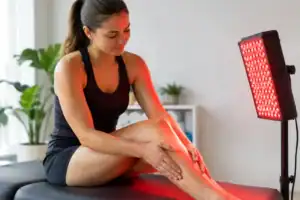
Blue light is commonly used in acne-focused treatments because it can help target the bacteria associated with some inflammatory breakouts. Red light may help calm visible redness and support the skin’s natural recovery processes. Near-infrared light reaches deeper than visible red light and is often used to support circulation and tissue recovery, though it is not a stand-alone cure for acne.
The trade-off is patience. Light therapy generally works best as a series of consistent sessions, not as a last-minute fix before an event. Results vary based on acne type, skin sensitivity, hormonal factors, home care, and how regularly treatment is used. Some people notice that their skin feels calmer first, while changes in active blemishes and post-breakout redness can take several weeks.
At Into The Blu, targeted red and near-infrared light treatments can be tailored for concerns such as inflammation, acne, visible marks, and skin recovery. A qualified provider can help you decide whether a targeted approach makes sense for your skin or whether a dermatologist should be part of your next step.
What to expect from a consistent plan
A realistic acne-support plan should feel manageable in a busy week. You might keep your home routine simple, schedule light sessions consistently, and take a photo every two weeks in the same lighting. Daily mirror checks can make progress hard to see, especially when skin naturally fluctuates.
Give a new approach time unless you develop burning, swelling, a rash, or worsening irritation. Acne healing is rarely linear. One new blemish does not mean your routine has failed, just as one clear day does not mean the work is finished. Look for broader signs of progress: fewer painful spots, shorter flare-ups, less redness, or skin that feels more comfortable.
If you use retinoids, benzoyl peroxide, acids, or prescription medication, be transparent with your provider before starting light therapy. Those treatments can still have a place in acne care, but timing and skin sensitivity matter. The goal is not to throw everything at your skin. It is to choose a plan your skin can tolerate and that you can actually maintain.
When acne needs medical attention
Natural support can be valuable, but it has limits. Consider seeing a dermatologist if you have deep, painful cysts, scarring, sudden severe acne, acne that is affecting your confidence or mental health, or breakouts that do not improve after a consistent routine. Hormonal acne, in particular, may benefit from medical evaluation.
You do not have to wait until your skin feels unbearable to ask for help. Professional care and supportive wellness treatments can work alongside each other. One may address the underlying medical pattern, while the other helps you create calming, restorative space for your skin and nervous system.
Your skin does not need punishment to heal. Start with one gentle change, stay consistent long enough to learn what it does, and let each small act of care be a way to quiet the noise around your breakout and feel more like yourself again.