A dull, reactive complexion can make you feel unlike yourself before the day has even begun. This red light therapy skin guide is for anyone looking for a gentle, noninvasive way to support clearer-looking, calmer, more resilient skin – without needles, peeling, or downtime.
Red light therapy is not a quick cosmetic fix, and it is not meant to replace medical care for a serious skin condition. It is a restorative tool that uses specific wavelengths of visible red and near-infrared light to support the skin’s natural repair processes. For the right concern and a consistent plan, it can be a welcome part of a skin routine that helps you feel more comfortable in your own skin.
What Red Light Therapy Can Do for Skin
Red light therapy, also called photobiomodulation, delivers low-level light energy to the skin. Red wavelengths generally work closer to the surface, while near-infrared wavelengths reach deeper tissue. The goal is not to heat, burn, or remove the outer layer of skin. Instead, the light is used to support cellular energy and circulation involved in normal skin renewal and recovery.
People often seek treatment because their skin looks tired, uneven, inflamed, or slow to bounce back. Common goals include softening the appearance of fine lines, supporting collagen production, calming redness, improving overall tone, and helping the skin recover after breakouts or minor irritation.
It can also be helpful for visible scars and areas that seem to heal slowly. Results vary with the age and type of scar, your skin’s condition, your overall health, and how regularly you attend sessions. A new scar, an old acne mark, and a deep surgical scar do not respond in exactly the same way, so the treatment plan should reflect the concern rather than promise a one-size-fits-all result.
Red Light Therapy for Acne and Inflammation
If breakouts leave your skin sore, red, and hard to manage, light therapy may be worth considering as a supportive option. Red and near-infrared light may help calm the inflammatory side of acne and support skin recovery after blemishes. Some acne plans also use blue light, which is often selected for its interaction with acne-related bacteria.
That distinction matters. Red light is usually more about soothing, repair, and inflammation support than directly targeting bacteria. If active acne is your main concern, ask what wavelengths are being used and why. The best approach may combine targeted light therapy with a dermatologist-approved routine, especially for cystic, painful, widespread, or persistent acne.
Your Red Light Therapy Skin Guide to Results
The most common question is simple: how soon will I see a difference? Some people notice that their skin feels calmer or looks more refreshed after a few sessions. Changes linked to texture, fine lines, post-breakout marks, or scars usually take longer because skin renewal takes time.
A realistic starting plan often involves several sessions per week for a number of weeks, followed by maintenance based on your goals and response. Your provider may adjust session frequency, treatment area, and whether red light is paired with near-infrared light. Consistency matters more than one long session or an occasional visit.
Think of it as support for the work your skin is already doing. A treatment can complement hydration, gentle cleansing, sun protection, adequate sleep, and a routine you can actually maintain. It cannot fully offset constant sun exposure, aggressive exfoliation, smoking, dehydration, or products that repeatedly irritate your skin.
Progress may show up in small but meaningful ways: less visible redness after a breakout, a more even-looking complexion, skin that appears less tired, or makeup sitting more smoothly. Taking photos in the same lighting every few weeks can be more useful than judging your skin day to day.
What a Session Feels Like
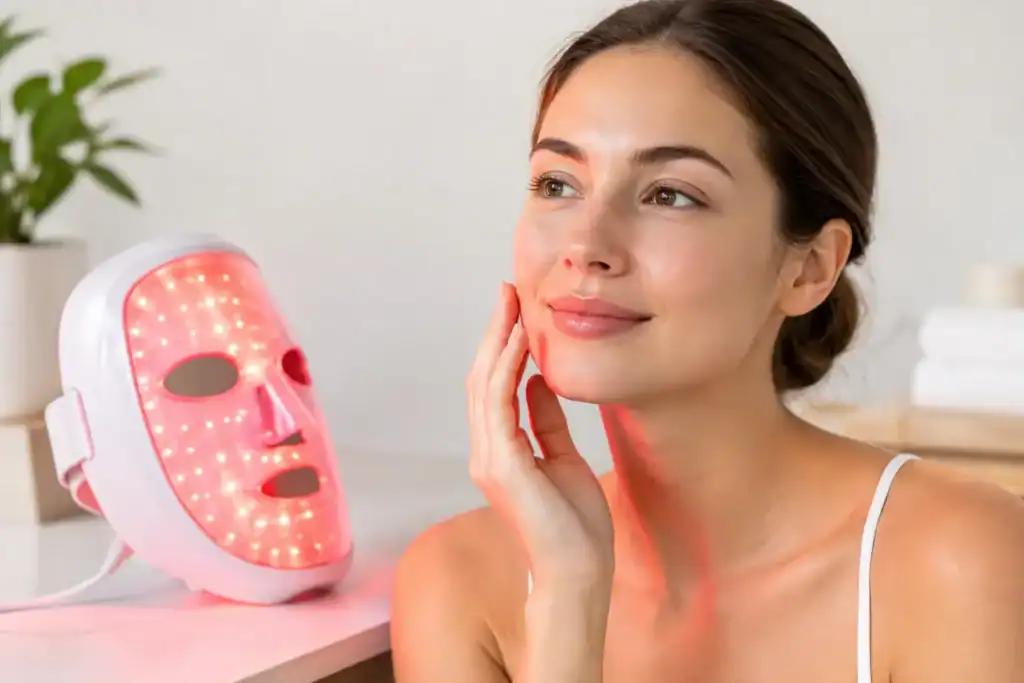
A professional light therapy session is typically quiet, comfortable, and low effort. You relax in front of or beneath the light for a set period while the device delivers clinically supported wavelengths. The light can feel bright, but it should not feel painful. Depending on the device and treatment area, eye protection may be used or provided.
There is no recovery period like the one associated with ablative treatments, peels, or injections. Most people return to work, errands, or a workout right afterward. Some experience temporary mild warmth or redness, though this should fade quickly.
At Into The Blu, targeted red and near-infrared treatments can be chosen for localized concerns such as acne, scars, inflammation, and wound-healing support. A conversation about what is bothering you helps match the session to your actual goal, whether that is brighter-looking skin, a calmer complexion, or support for a stubborn area.
Safety and When to Ask a Professional First
Red light therapy is generally considered well tolerated when used appropriately, but natural does not mean automatic for everyone. Tell your provider about medications, medical conditions, and recent procedures before treatment. Certain medications can increase light sensitivity, and some health conditions call for extra caution.
Check with a qualified healthcare professional first if you are pregnant, have a history of light-sensitive conditions, are receiving cancer treatment, have an active skin infection, or are taking medications known to cause photosensitivity. If you have melasma, ask specifically about your plan. Heat and irritation can worsen melasma for some people, so device type, temperature, and skin response matter.
Avoid treating over suspicious moles, unexplained rashes, or open wounds unless you have been advised to do so by an appropriate medical professional. Red light therapy may support normal healing, but it does not diagnose an infection, replace wound care, or treat skin cancer.
Prepare Your Skin Without Overdoing It
Come to a session with clean skin when possible. Heavy makeup, self-tanner, and thick occlusive products can create a barrier between the light and the skin. You do not need a complicated prep routine.
On treatment days, be cautious with products that leave your face stinging or unusually sensitive. Strong retinoids, exfoliating acids, and benzoyl peroxide may still have a place in your routine, but your timing may need adjustment if your skin is dry, peeling, or irritated. A provider or dermatologist can help you find a schedule that does not ask too much of your skin at once.
Afterward, keep the routine simple: moisturizer, daily broad-spectrum sunscreen, and patience. Sun protection is especially worthwhile if uneven tone, redness, fine lines, or post-acne marks are among your concerns.
Choosing Between Full-Body and Targeted Treatment
Your skin goal should guide the format. Targeted treatment makes sense when the concern is concentrated on the face, chest, back, hands, or a specific scar. It allows the session to focus on the area that needs attention.
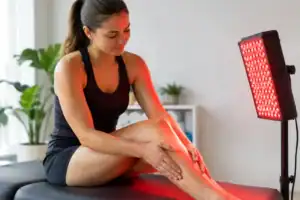
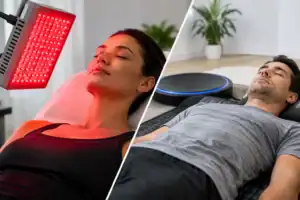
Full-body red light therapy may appeal if skin health is part of a larger recovery routine. Many people also use it for muscle soreness, joint comfort, or post-workout recovery. If you are feeling depleted in more than one way, a full-body session can support a broader restoration practice while still giving your skin exposure to beneficial wavelengths.
Neither option is automatically better. A focused concern may call for targeted sessions, while someone who wants skin support alongside recovery may prefer full-body treatment. Ask how often you should come, what changes are reasonable to expect, and when your plan should be reassessed.
A Gentler Way to Support Your Skin
Skin concerns can feel personal. You may be tired of covering redness, frustrated by marks that linger after acne, or unsettled by a complexion that looks worn out even when you are trying your best. Red light therapy offers a calm, noninvasive way to give your skin supportive conditions for repair.
Start with one clear goal and give it enough time to respond. A few quiet minutes under the right light, repeated consistently, can become more than another item on your to-do list. It can be a small, practical moment to step into the light and feel like yourself again.